Changing Strides Education Programme
Changing Strides – Alternative Education
Changing Strides is our therapeutic alternative education programme for young people who need a different approach to learning.
We provide a small, supportive therapeutic education environment, working with young people individually and in small groups. Our person-centred approach allows us to build learning around each young person’s strengths, interests, individual needs and future goals.
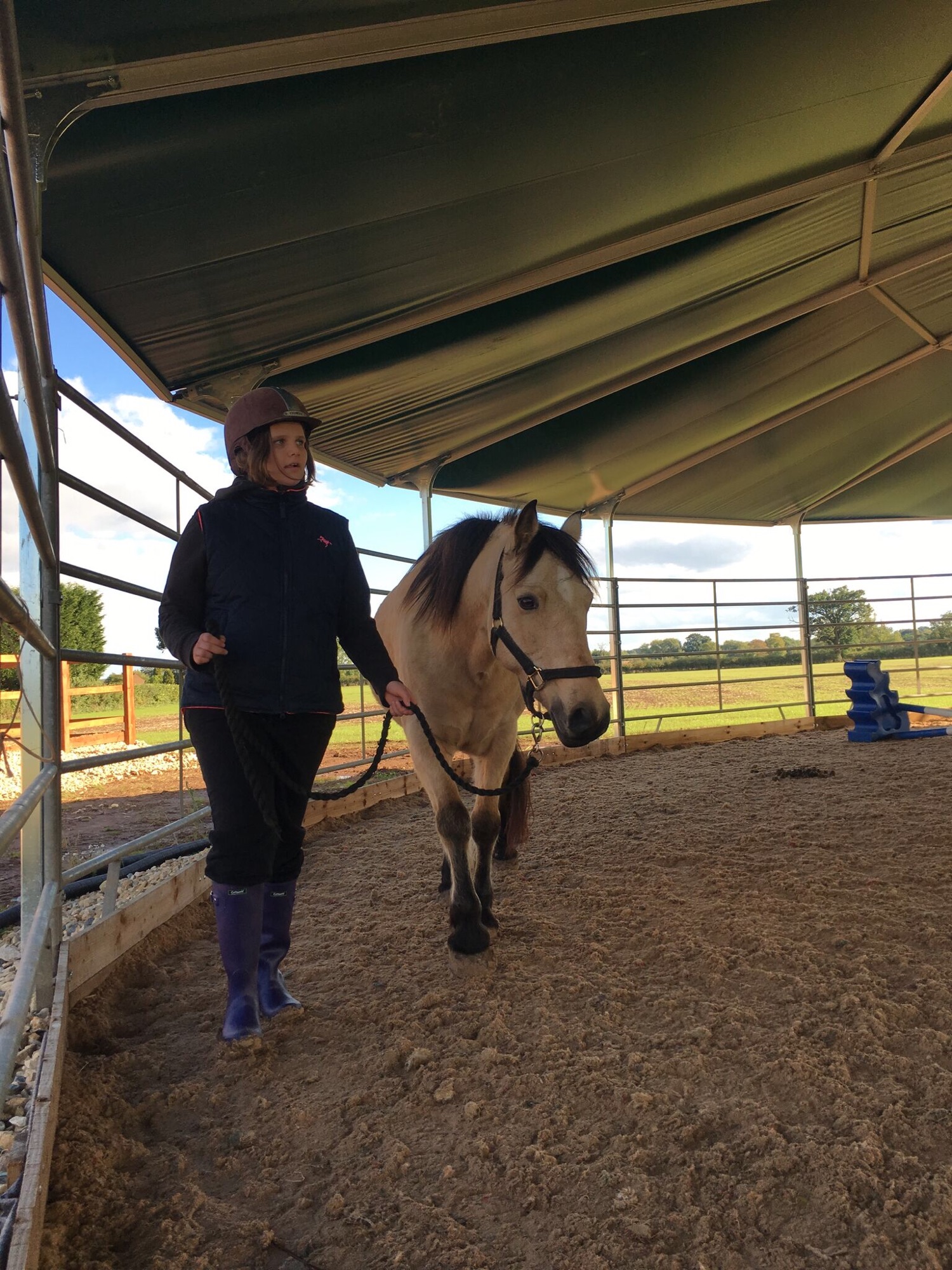
Relationships, wellbeing and emotional regulation are recognised as important foundations for learning. Through therapeutic horsemanship and practical education, young people have opportunities to develop confidence, communication, responsibility, self-awareness and greater independence alongside their educational and vocational skills.
We recognise that progress looks different for every young person. For some, success may initially mean feeling safe enough to attend and engage; for others it may be achieving qualifications, developing greater independence or preparing for their next steps in education, training or employment.
Changing Strides is available for both school-aged and post-16 learners. School-aged young people can attend for up to two days per week alongside their existing education, while our post-16 provision runs three days per week.
Equine Learning CIC is an alternative education provider and training centre, not a registered school. For school-aged learners, we work in partnership with the young person’s school, local authority and other professionals as appropriate, with the school retaining responsibility for the young person’s overall education.


Learning & Qualifications
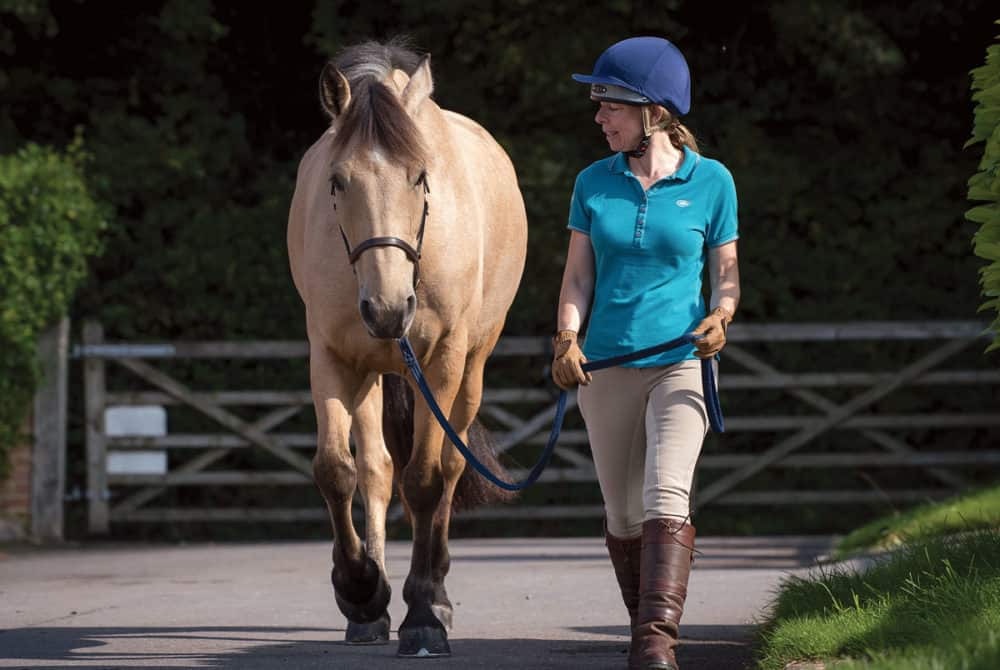
Practical learning is at the heart of Changing Strides. Much of the learning takes place through working directly with horses, developing practical skills and applying knowledge in real situations. Our equine qualifications are designed around this approach, with practical work forming a significant part of each unit. For some learners, practical learning forms the majority of their programme, while others combine this with theory, English and Maths.
We work at the pace of each learner. Our equine qualifications are portfolio and assessment based rather than exam based, allowing learners to build evidence and develop their skills over time. Learners are given time and support to build confidence and develop their practical skills towards the required Diploma standards, with assessments taking place when they are ready to demonstrate their competence. Alongside the practical work, learners complete theory work, which provides evidence of their knowledge and understanding of the units they are studying.
Equine Learning CIC is a City & Guilds Approved Training Centre.
We currently offer:
City & Guilds Horse Care and Riding Diplomas – Levels 1, 2 and 3
Functional Skills – English and Maths
Younger Learners
For younger learners for whom a registered qualification is not yet appropriate, we offer a progressive learning pathway through Pony Club Achievement Badges and Riding Awards. Educational sessions combine practical activities with age-appropriate learning, allowing young people to develop their knowledge, confidence and skills while working towards recognised achievements.
The Pony Club programme covers a wide range of topics including horse care, riding, equine knowledge and broader skills, giving younger learners opportunities to experience success and build strong foundations for future learning and qualifications.
Working with Schools
As a City & Guilds Approved Training Centre, we can also work in partnership with schools to provide equine qualifications for mainstream students. This gives schools the opportunity to broaden their curriculum and offer practical, vocational learning and recognised qualifications within a specialist equine environment.
Programmes can be planned in partnership with the school to complement students’ existing education.
An Evidence-Informed Approach
Our approach has been developed through many years of working with young people and listening to their experiences. As part of postgraduate research, three years of feedback from young people attending our provision was analysed to explore their experiences and identify the elements they felt supported their learning, engagement and development. The findings have helped to shape the Changing Strides approach.
Listening to learners continues to be an important part of how we work. Giving and receiving feedback forms part of our daily reflection process, providing young people with opportunities to share what is working for them, what they are finding difficult and what they need from us. This helps us to reflect on and adapt our practice while ensuring that the learner’s voice remains central to their education.